The Biggest Retirement Regrets Aren't About Money.
After the honeymoon phase ends, the regrets that weigh on retirees most have nothing to do with their bank balance. Here's what they wish they'd planned for, and how you can start now.
 Patrick Shope
July 1, 2026
Reviewed July 2026
8 min read
Patrick Shope
July 1, 2026
Reviewed July 2026
8 min read
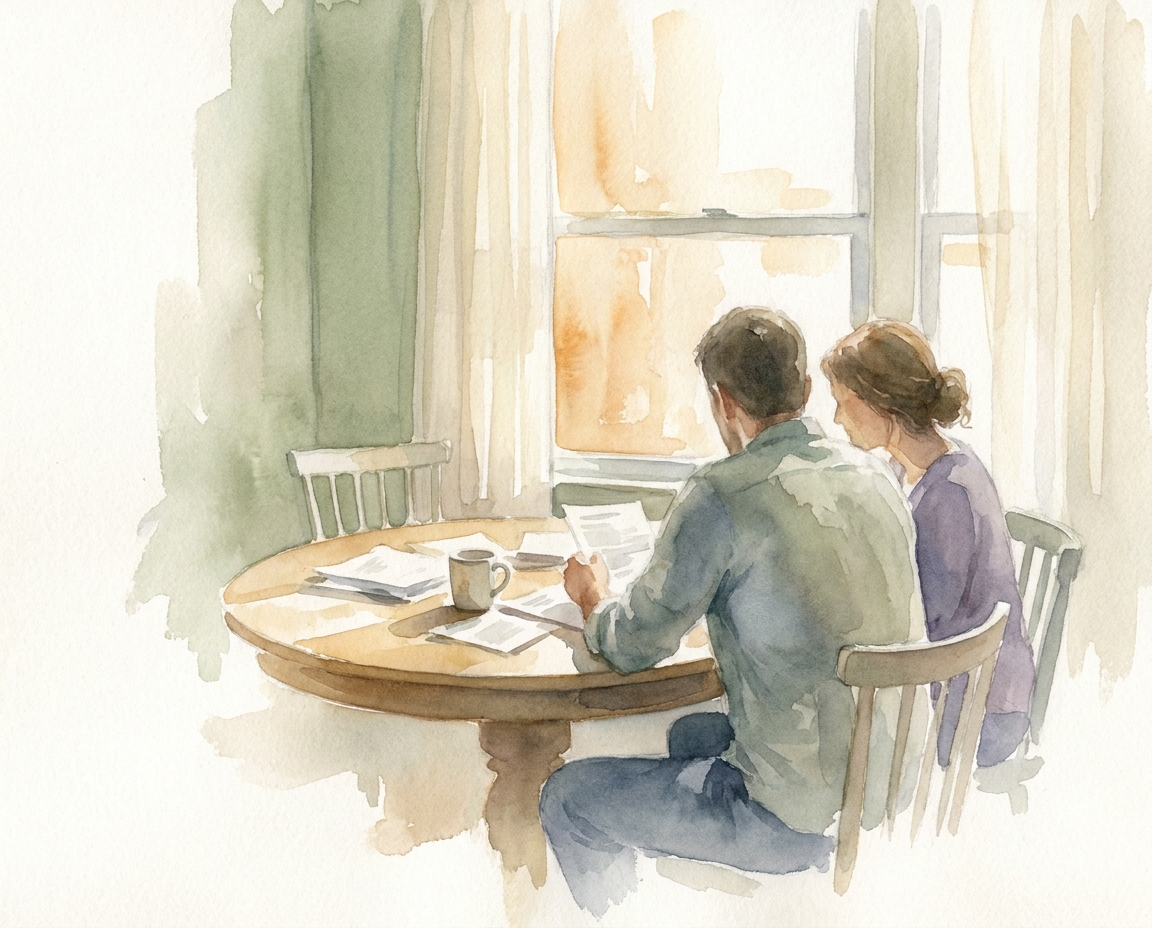
Six months into retirement, a man we'll call Dave sat at his kitchen table on a Tuesday morning with nowhere to be. No commute. No meetings. He'd spent 35 years running a manufacturing plant, and for the first few weeks the quiet felt like a reward. Then it started to feel like something else. He admitted to me, a little sheepishly, that he'd caught himself driving past his old office more than once, just to look at the parking lot.
Dave did everything right on paper. So why did he feel so lost? Here's what I've learned watching people make this transition: the biggest retirement regrets are almost never about money. They're about identity, purpose, health, and the friendships people let quietly fade. Folks who planned their finances down to the dollar get blindsided by the emotional side, and that's the part that's hardest to fix after the fact.
The video below walks through four of the regrets retirees name most and how to sidestep them. What follows pulls those together with what I actually see in our office, starting with the thing that caught Dave off guard.
Watch: Patrick Shope on the four regrets retirees name most, and how to avoid them.
The identity vacuum: losing more than a job title
For decades, when someone asked Dave what he did, he had an answer ready. That title wasn't just his job. It was a big part of who he was. Then retirement happened, and that whole framework vanished overnight.
You see, work gives you more than a paycheck. It gives you structure, problems to solve, people counting on you, and deadlines that matter. Even the parts you complain about give your week a rhythm. I've seen this pattern over and over: people think they hate their job, and then they discover they just hated parts of it. What they truly valued was feeling needed and capable, and they don't notice how much that mattered until it's gone.
The challenge in retirement usually isn't filling the hours. Most people manage that fine. The challenge is finding things that feel important, that give you that same sense of contributing to something bigger than yourself. Without that anchor, people drift in ways they never expected. This is the regret behind a related one I hear all the time: spending a whole career chasing someone else's definition of success. Folks reach every financial goal, then feel empty because those goals were set by external measures, not by asking what actually gives them meaning.
Your social world shrinks faster than you think
The second thing that ambushes people is how quickly their social circle collapses when they leave work. This goes beyond missing a few work friends. It's losing an entire ecosystem of daily human contact you may not have realized you leaned on.
Think about it. Work hands you built-in interactions every day: coffee with colleagues, shared challenges, the inside jokes that build up over years. Those weren't just work relationships. They were social relationships that happened to take place at work. When the shared context disappears, so do the natural reasons to connect, and "we'll stay in touch" rarely holds up.
Dave assumed his office friendships would carry into retirement. They didn't, not because anyone stopped caring, but because the daily glue was gone. Two years in, he felt lonelier than he ever expected. He's not unusual. Surveys of adults 45 and older consistently find more than a third say they feel lonely, and retirement keeps showing up in that research as a transition that heightens the risk.
The fix has to start before you retire. Build a few relationships that don't depend on your job. Deepen ties with neighbors, family, and people who share your interests, because connections built on mutual choice tend to outlast ones built on professional circumstance. If you want a fuller list of patterns that quietly erode a good retirement, I walk through several in the retirement habits worth dropping early.
When the honeymoon phase ends
The first few months of retirement usually feel wonderful. Sleeping in, no alarm, no meetings, total freedom. It feels like a permanent vacation, and a lot of people wonder why they didn't do this sooner. That's the honeymoon phase, and here's the part nobody warns you about: it ends.
The novelty of not setting an alarm loses its shine after a few months. Then the freedom to do anything can turn into the quiet burden of figuring out what's actually worth doing. This is when people start missing things they never thought they'd miss: the satisfaction of finishing a project, the energy of an external deadline, even a little stress in small doses, because it made the downtime feel earned.
The retirees who feel emptiest are often the most financially secure ones. They planned the money perfectly. What they didn't plan for was purpose, community, and a reason to get up in the morning. Money buys options. It doesn't buy meaning.
Health is the foundation everything else stands on
Here's a regret that shows up quietly, then all at once. People spend 30 years saving for a dream trip to Europe, and then find their knees can't handle the cobblestones, or their energy runs out after one activity a day. When that happens, the financial preparation almost stops mattering.
Health challenges rarely arrive as one dramatic event. They accumulate from years of putting your body and your sleep on the back burner while you focused on career and family. So treat your health the way you treat your savings: an investment with compound returns. You don't need to overhaul your life overnight. Schedule the physical you've been putting off. Take a 15-minute walk after lunch. Deal with the chronic stress that's been wrecking your sleep. Small, consistent moves decide whether you can actually do the things you're retiring for.
Don't let fear keep you in the same old lane
The last regret is one of the saddest, because it's so avoidable. Retirement finally hands people the freedom to try things they've always been curious about, and fear of looking foolish keeps them parked in their comfort zone. "I always wanted to learn photography, but I figured I was too old to start." "I wanted to volunteer, but I worried I wouldn't fit in."
That fear hits high achievers hardest. When you've been the expert everyone turned to, starting over as a beginner in a pottery class feels uncomfortable. But retirement isn't about protecting the identity you built at work. It's a chance to explore parts of yourself that went dormant while you were busy. The beginner's mind that feels so awkward is actually the whole gift.
Start experimenting while you're still working. Take a weekend workshop. Join a club that meets once a month. The point isn't to get good at anything. It's to get comfortable being a learner again.
How to avoid the biggest retirement regrets
Notice what ties all of these together. It's intentionality. The people carrying these regrets weren't careless. They were often highly accomplished folks who planned their finances beautifully and never gave the same thought to their identity, their community, and their days. The encouraging part is that awareness changes the outcome. You can start protecting your health, building friendships outside of work, and clarifying what actually gives you purpose long before you hand in your notice.
Some people find the answer is a phased retirement, easing out gradually instead of stopping cold, because going back later is harder than most expect. Age bias is real, skills feel dated fast, and gaps get tougher to explain the longer they run. If you're wrestling with the timing itself, I'd start with the signs you may not be ready to retire yet, which covers the non-financial readiness people skip.
As for Dave, his story didn't stay stuck. He started coaching a robotics team at the local high school, joined a woodworking group that meets every Thursday, and rebuilt a rhythm to his week that had nothing to do with a paycheck. The money was never his problem. The plan for his days was. If you want help thinking through the part a financial plan leaves out, start a conversation with us and we'll work through what you're retiring to, not just what you're retiring from.
The goal of retirement was never to have enough money to stop working. It's to have a clear picture of what you're walking toward. Get that part wrong and a fully funded retirement can still feel empty. Get it right, and the money simply does its job in the background.
Frequently asked questions
This article is for general educational purposes only and does not constitute tax, legal, or investment advice, or a recommendation to buy or sell any security or to pursue any specific strategy. Tax laws are complex and change over time; figures and thresholds referenced reflect our general understanding as of publication and may not apply to your situation. Before acting, consult a qualified tax professional and your advisor about your specific circumstances. Investment advisory services offered through SPC, a registered investment advisor. Shope & Associates, LLC is independent from SPC and SIGMA Financial Corporation.